


soft magnetic parts
Soft magnetic components play a critical role in numerous electronic and electrical devices, especially those requiring efficient energy conversion or signal transmission. These components, typically made from materials with high magnetic permeability, can easily magnetize and demagnetize in response to an external magnetic field. This characteristic makes them essential in the functioning of devices like transformers, inductors, motors, and magnetic sensors. The primary function of soft magnetic components is to guide magnetic fields in a way that optimizes performance and minimizes energy loss. By using materials that allow for easy magnetization and demagnetization, these components help improve the efficiency of electrical systems, whether in consumer electronics, automotive applications, or industrial machinery. As technology continues to evolve, the demand for high-performance soft magnetic components has increased, especially in the development of energy-efficient systems. In various industries, the specific properties of soft magnetic components , such as high saturation flux density and low core losses, make them ideal for use in high-frequency applications. Their ability to operate effectively in a range of environments without significant energy loss is why they are commonly found in everything from power transformers to electric vehicle motors. Magnetic Soft Materials: Revolutionizing Modern Technology Magnetic soft materials are materials that can easily become magnetized and demagnetized in response to an external magnetic field. These materials are critical in modern technology because of their ability to enhance performance in devices that require high-frequency operation, such as power supplies, motors, and sensors. One of the key properties of magnetic soft materials is their high magnetic permeability, meaning they can conduct magnetic flux more efficiently than hard magnetic materials. This property is essential in the creation of devices that need to handle large amounts of electrical energy, such as transformers, where efficient magnetic flux conduction leads to reduced energy losses and better performance. The development of magnetic soft materials has also led to innovations in fields like telecommunications and renewable energy. For example, wind turbines and solar power systems rely on magnetic materials for efficient energy conversion. The use of these materials in such applications helps ensure that energy is harnessed efficiently, reducing waste and improving the overall sustainability of these technologies. Furthermore, magnetic soft materials are integral to the operation of many electronic devices, from smartphones to medical equipment. Their ability to function effectively in a variety of environments, including extreme temperatures and electromagnetic interference, makes them indispensable in modern electronics and electrical systems. Soft Magnetic Composite Materials: A Game-Changer in Performance and Efficiency Soft magnetic composite materials are a cutting-edge solution in the field of magnetic components, offering unique properties that set them apart from traditional magnetic materials. These materials are made by combining magnetic powders with a non-magnetic binder, resulting in a composite that has improved performance, flexibility, and manufacturing capabilities compared to conventional soft magnetic components. One of the primary advantages of soft magnetic composite materials is their ability to be molded into complex shapes, which can be a challenge with traditional solid magnetic materials. This flexibility makes them ideal for creating components with intricate geometries, such as coils, cores, and inductors, that are used in power electronics and electrical systems. The use of soft magnetic composite materials enables manufacturers to produce smaller, lighter components without sacrificing performance, making them particularly valuable in industries where size and weight are important considerations. The unique composition of soft magnetic composite materials also allows for tailored magnetic properties, enabling customization based on the specific needs of an application. These materials can be engineered to offer optimal magnetic permeability, low core losses, and high saturation flux density, making them perfect for high-efficiency electrical and electronic devices. Additionally, soft magnetic composite materials offer reduced energy loss compared to traditional magnetic materials, making them ideal for applications where efficiency is paramount, such as in power transformers, electric motors, and inductive components. Why Soft Magnetic Components Are Crucial in Modern Electrical Systems The use of soft magnetic components is essential in the efficient operation of modern electrical systems. These components, which are typically made from iron, cobalt, or nickel alloys, offer the ideal properties needed to optimize the performance of electrical systems, including high magnetic permeability and low hysteresis losses. These properties make them indispensable in applications such as electric motors, inductors, transformers, and other devices that rely on the flow of electric current. In the past, the performance of electrical systems was often limited by the properties of the magnetic materials used in their components. However, the advent of soft magnetic components has revolutionized the industry by offering materials that are optimized for high-frequency operation and energy efficiency. These components ensure that energy losses are minimized, contributing to overall system efficiency and performance. In addition to their role in energy efficiency, soft magnetic components also play a significant role in reducing electromagnetic interference (EMI) in electrical systems. By effectively shielding sensitive electronics and components from unwanted magnetic fields, these materials help improve the reliability and longevity of electronic devices. As the demand for more energy-efficient and compact electrical systems grows, soft magnetic components will continue to play a key role in meeting these needs. Their ability to enhance the performance of everything from power grids to consumer electronics ensures their place in the future of modern electrical engineering. Sintered Magnet FAQs What are soft magnetic components used for in electrical systems? Soft magnetic components are used in various electrical systems to guide and control magnetic fields. These components, made from materials with high magnetic permeability, are essential in devices like transformers, motors, inductors, and sensors, where efficient magnetic flux conduction is critical to performance. How do magnetic soft materials enhance performance in electronic devices? Magnetic soft materials enhance performance in electronic devices by improving magnetic flux conduction and reducing energy loss. Their high permeability allows them to operate efficiently in high-frequency applications, such as power supplies, motors, and telecommunications equipment. What are the advantages of using soft magnetic composite materials? Soft magnetic composite materials offer several advantages, including the ability to be molded into complex shapes, customization of magnetic properties, and reduced energy loss. These materials are ideal for applications requiring high efficiency, such as electric motors, transformers, and inductive components, while also enabling smaller, lighter designs. Why are soft magnetic components important for energy efficiency? Soft magnetic components are crucial for energy efficiency because they help reduce energy losses in electrical systems. Their low hysteresis losses and high magnetic permeability ensure that magnetic flux is conducted efficiently, leading to less energy wastage and more efficient performance in devices like transformers and motors. Can soft magnetic components be customized for specific applications? Yes, soft magnetic components can be customized to meet the specific requirements of an application. By adjusting the material composition, geometry, and processing methods, manufacturers can optimize the magnetic properties of these components for specific uses, such as high-efficiency transformers, electric motors, or sensors.


Water Pump Wheel | Shijiazhuang Jingshi New Material | Precision Engineering&Durability
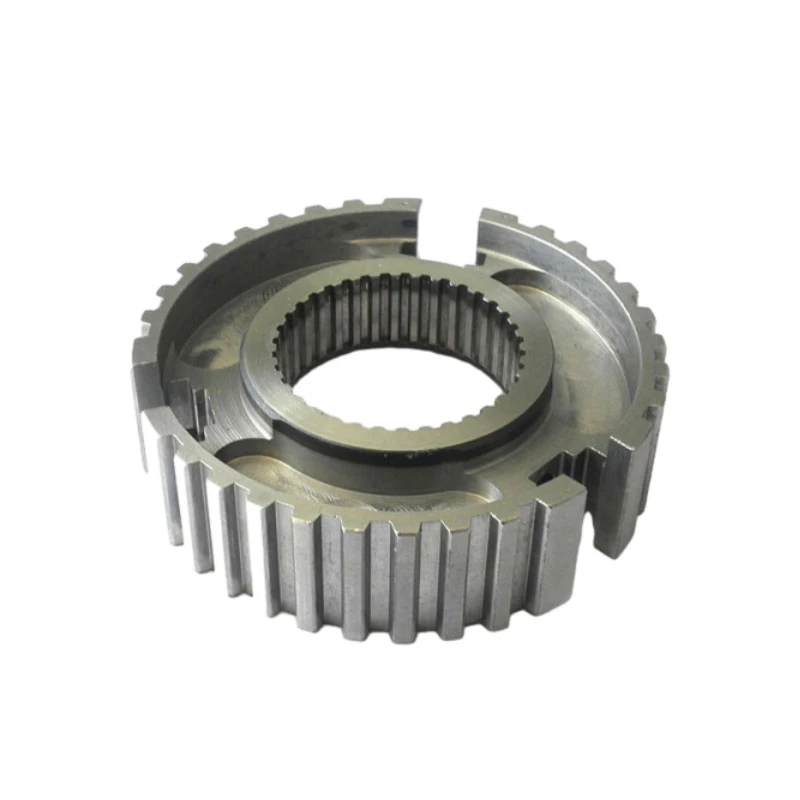
High-Performance Oil Pump Gear for Reliable Engine Function

Advanced Applications of Powder Metallurgy Parts in Modern Engineering
Subscribe For Newsletter

Shijiazhuang JingShi New Material Science and Technology Co., Ltd was founded since 2014, located in Shijiazhuang, Hebei province, China. The company covers an area of over 10,000 square meters and has


PRODUCTS

QUICK LINKS
CONTACT US
Address:TIANSHAN INTERNATIONAL MANUFACTURING INDUSTRY PARK NO.57, YUANSHI, SHIJIAZHUANG CITY, HEBEI PROVINCE, CHINA
Address:TIANSHAN INTERNATIONAL MANUFACTURING INDUSTRY PARK NO.57, YUANSHI, SHIJIAZHUANG CITY, HEBEI PROVINCE, CHINA